
Critical Minerals are powering the energy transition and enabling new technologies
Fortune Minerals Limited’s NICO cobalt-gold-bismuth-copper deposit and nearby Sue-Dianne copper-silver-gold satellite deposit are IOCG-class deposits with world class global analogues that commonly occur in clusters of world class mineral deposits. To date, Fortune has identified Mineral Resources totalling more than 60 million tonnes in the two deposits, including 33.1 million tonnes of Mineral Reserves contained in the NICO deposit. Both deposits are open for potential expansion, and the Company also has significant blue-sky exploration potential identified in new zones with economically interesting drill hole intercepts and/or targets identified in large coincident geophysical anomalies that have not yet been drill tested.
The NICO Project is a development stage vertically integrated asset comprised of a planned mine and concentrator in the Northwest Territories and a dedicated hydrometallurgical facility in Alberta where concentrates from the mine, and other feed sources, will be processed to value-added products. The Alberta Refinery will produce cobalt sulphate heptahydrate, gold doré, bismuth ingots, and copper cement, all of which have expanding market demand from traditional uses and new applications in the energy transition, high technology, environmental, and defence industries.
The NICO deposit was discovered by Fortune Minerals in 1996 using the IOCG model to guide its exploration. The Company advanced this in-house discovery to a near construction-ready development stage asset with a positive Feasibility Study, the major mine approvals in the Northwest Territories, and a brownfield industrial site in Alberta’s Industrial Heartland Refinery that has been designated for heavy industry. Fortune has spent more than $150 million developing the NICO Project and has attracted more than $20 million of financial support from Canadian and U.S. governments to help advance the project to a construction decision.
The NICO Project will be a reliable vertically integrated producer of three critical minerals (cobalt, bismuth and copper) with supply chain transparency and custody control of the contained metals from ores through their processing to value-added products. The 1.1 million ounces of in-situ gold is a highly liquid and countercyclical co-product.
Location
Northwest Territories Mine and Concentrator
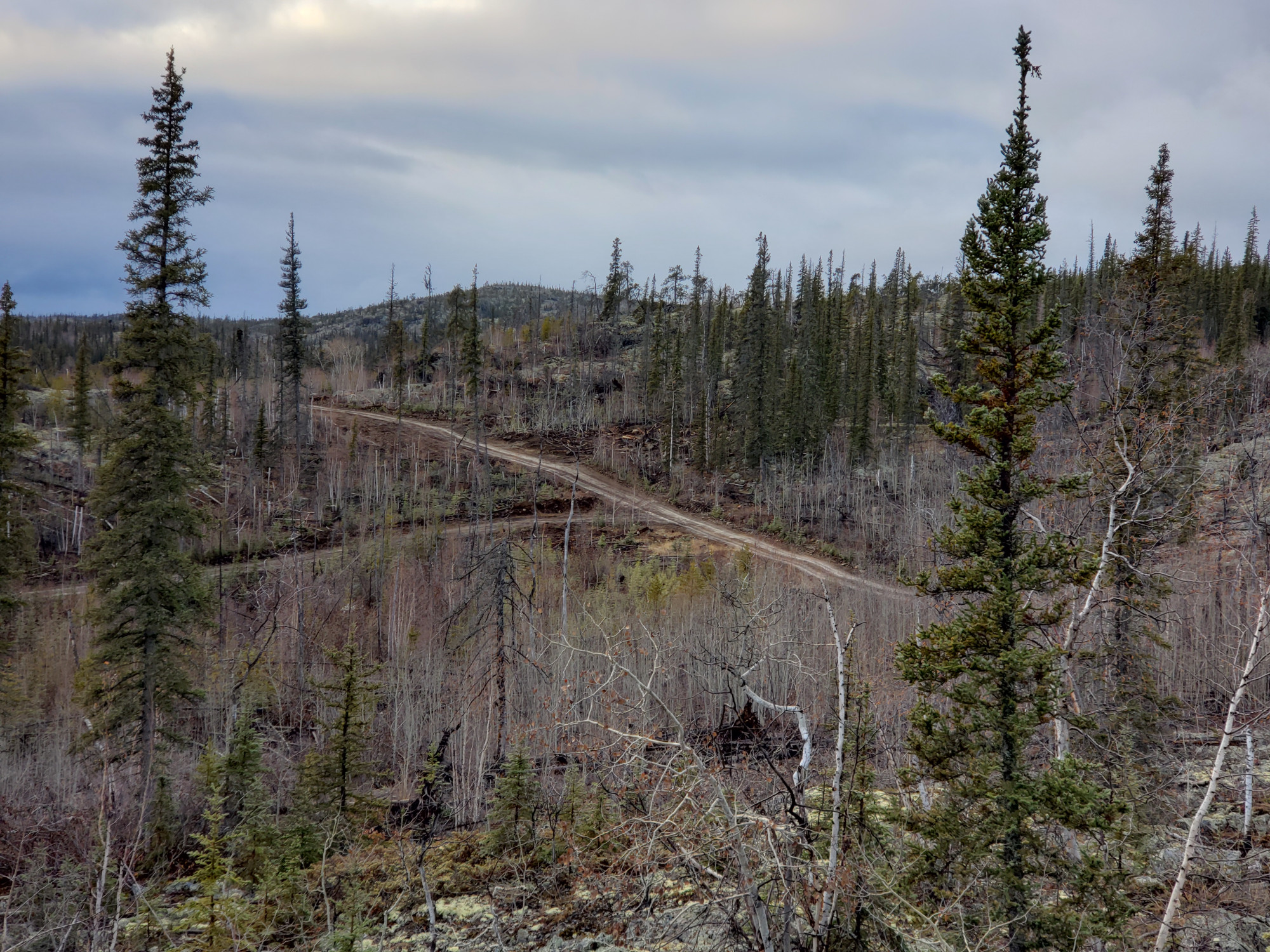
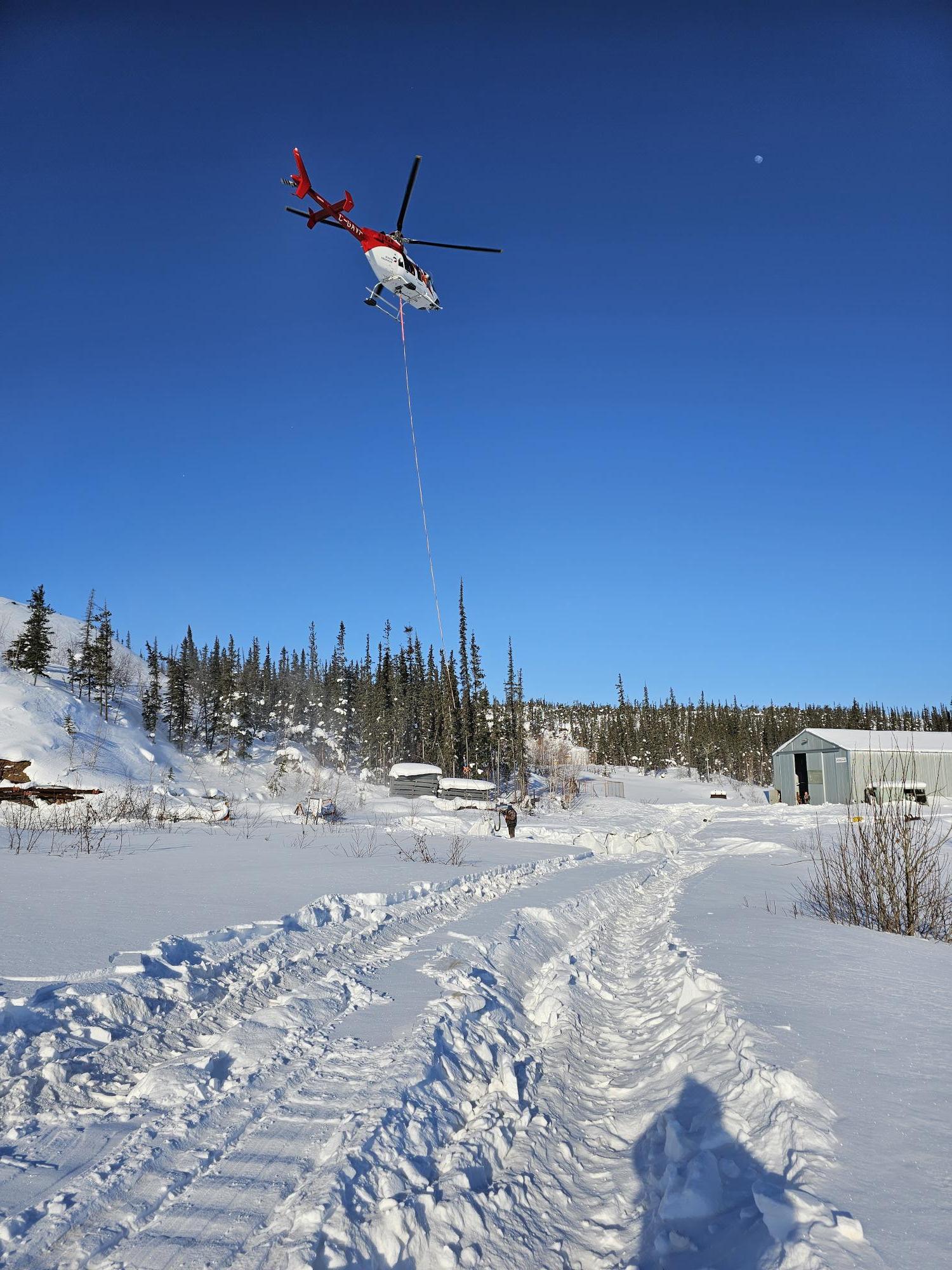
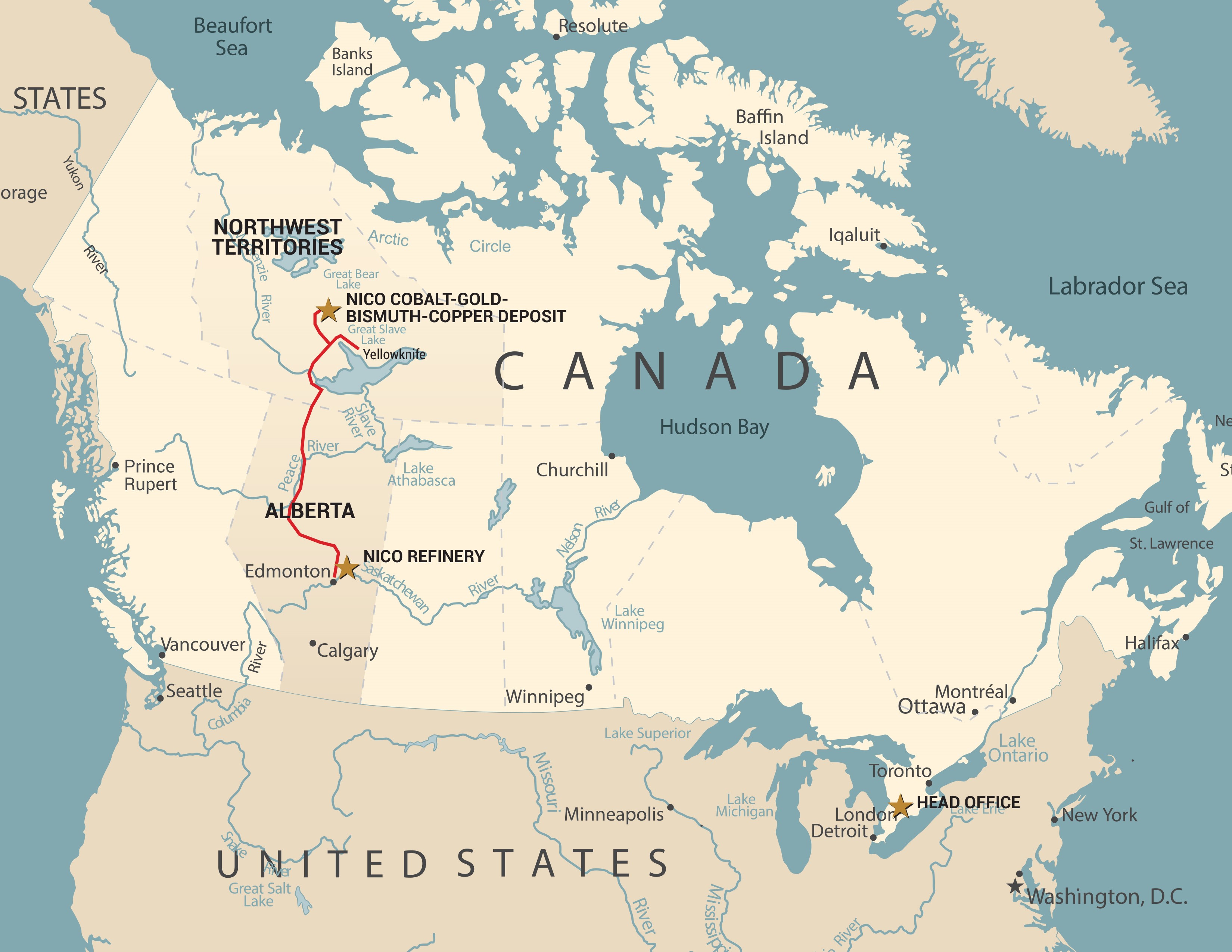
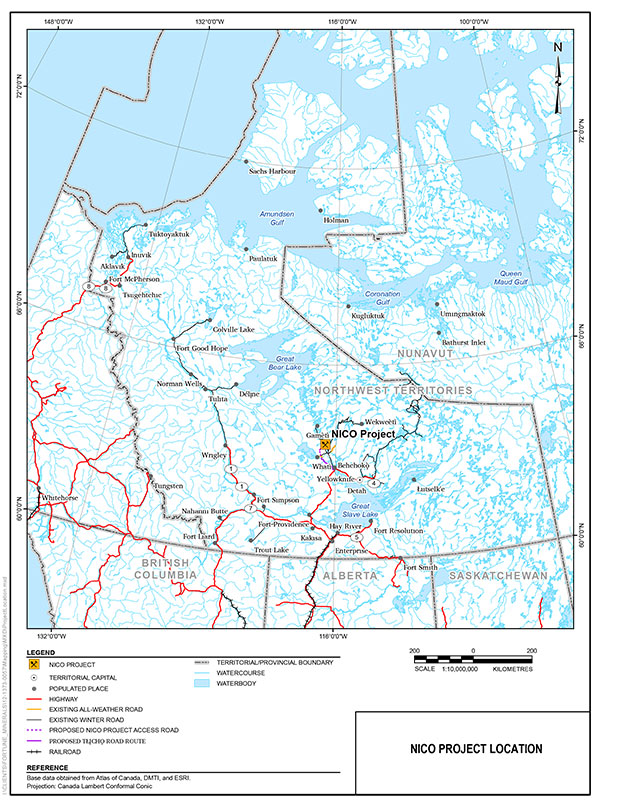
The NICO deposit is located in Canada’s Northwest Territories, within Tlicho Territory, approximately 160 km northwest of the City of Yellowknife and 50 km north of the community of Whati where the territorial highway system currently terminates in this area. The deposit is 22 km west of the Snare Hydro-Electric Complex and 400 road-km from the rail terminal at Enterprise, Northwest Territories. Current access to the NICO site is via a 10-km extension of the government ice road to the community of Gameti, or by fixed wing or rotary aircraft from Yellowknife. Fortune plans to construct a 50 km long spur road from Whati to the mine for construction and operations. The road will enable concentrates from the mine to be trucked to Enterprise for transfer to rail and delivery to the Alberta Refinery for downstream processing.
Alberta Hydrometallurgical Refinery
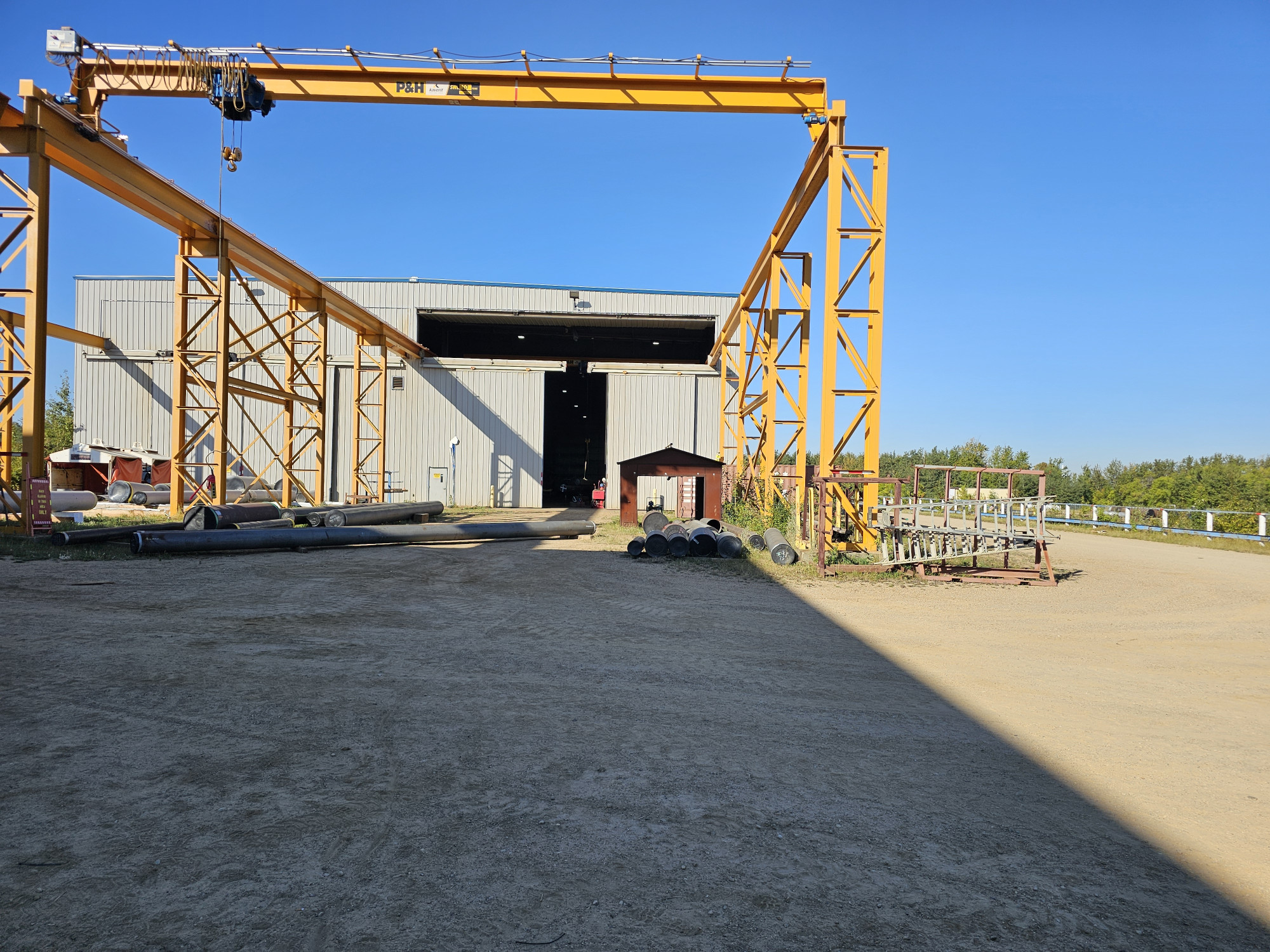
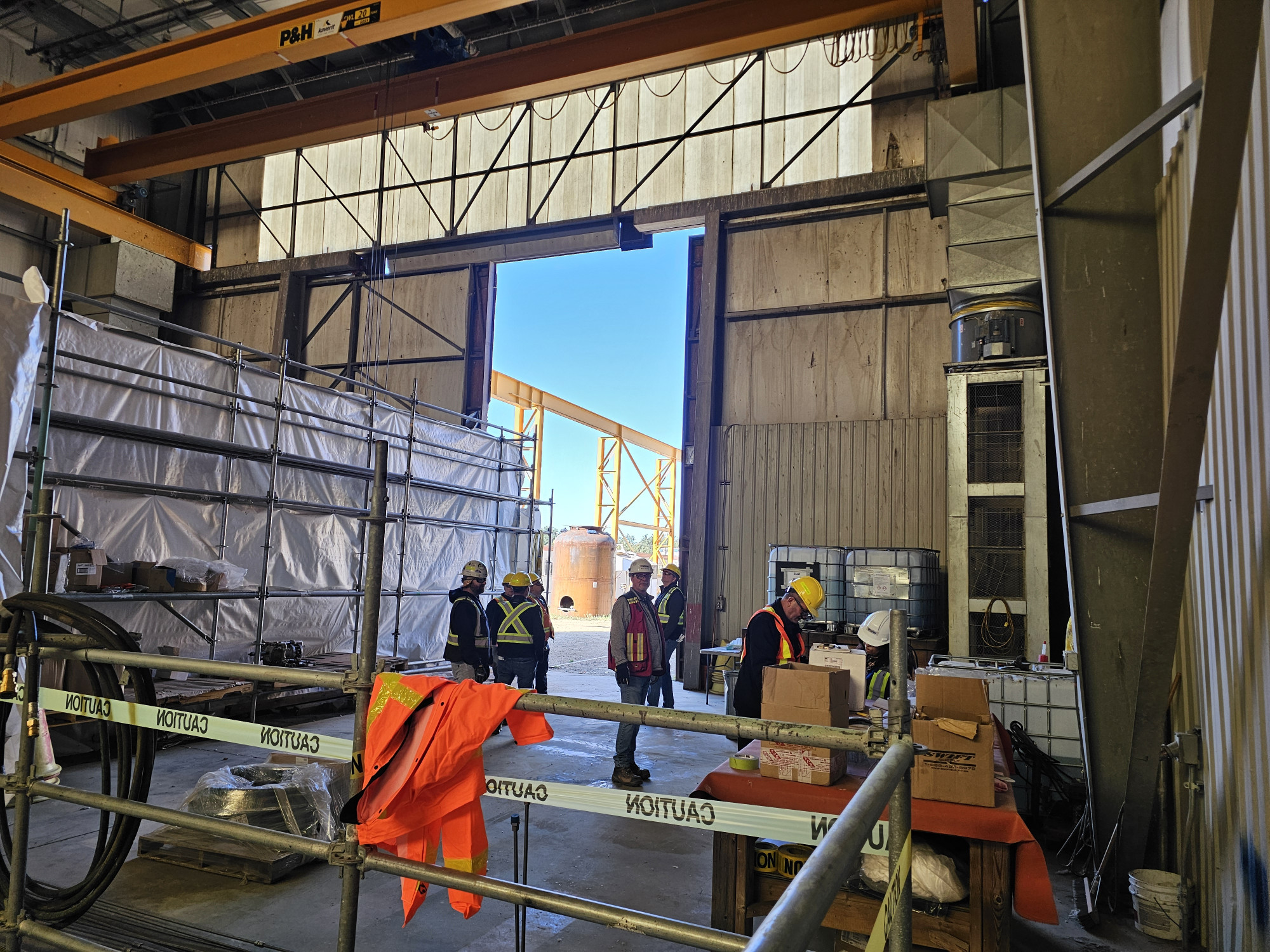
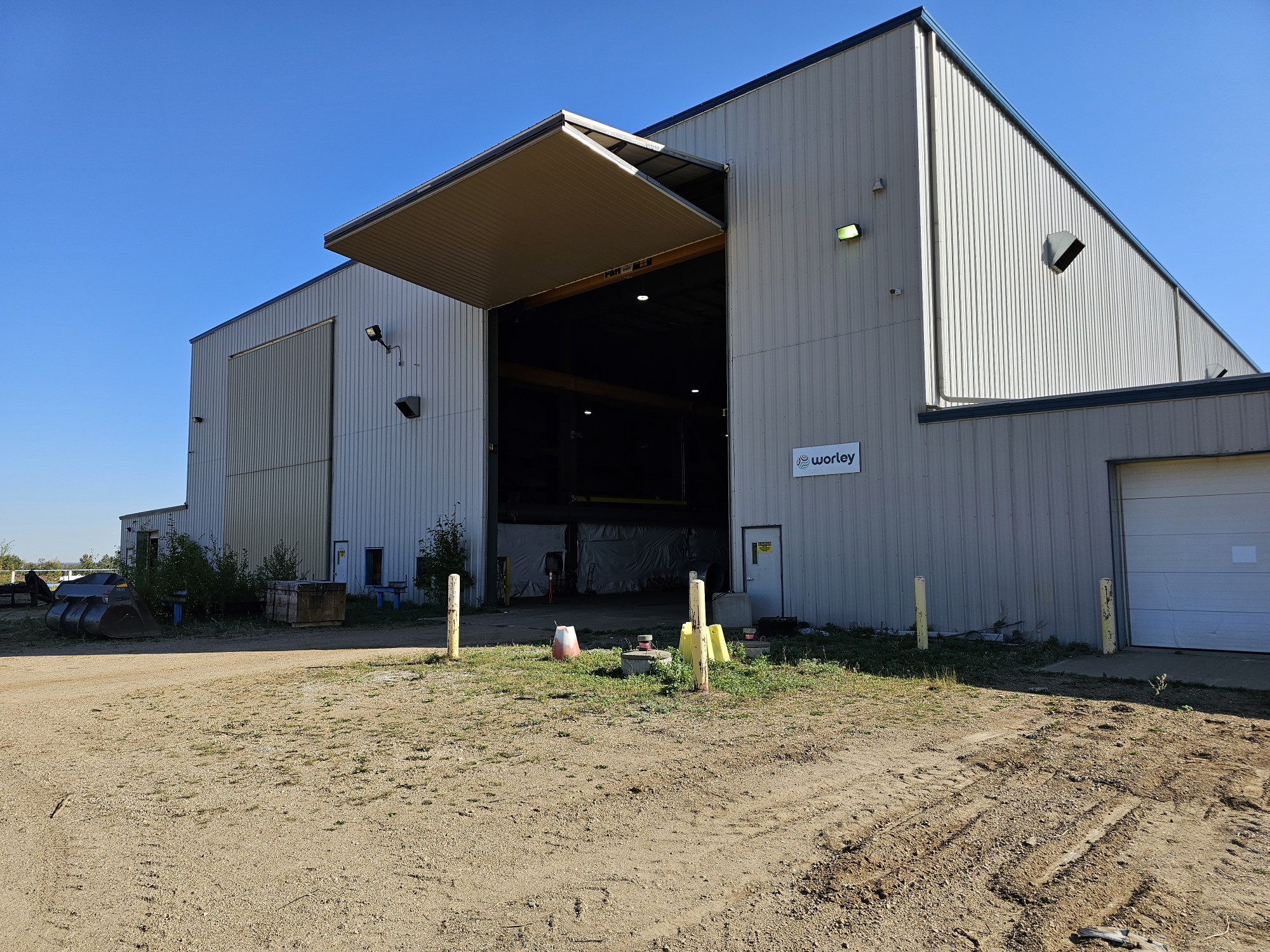
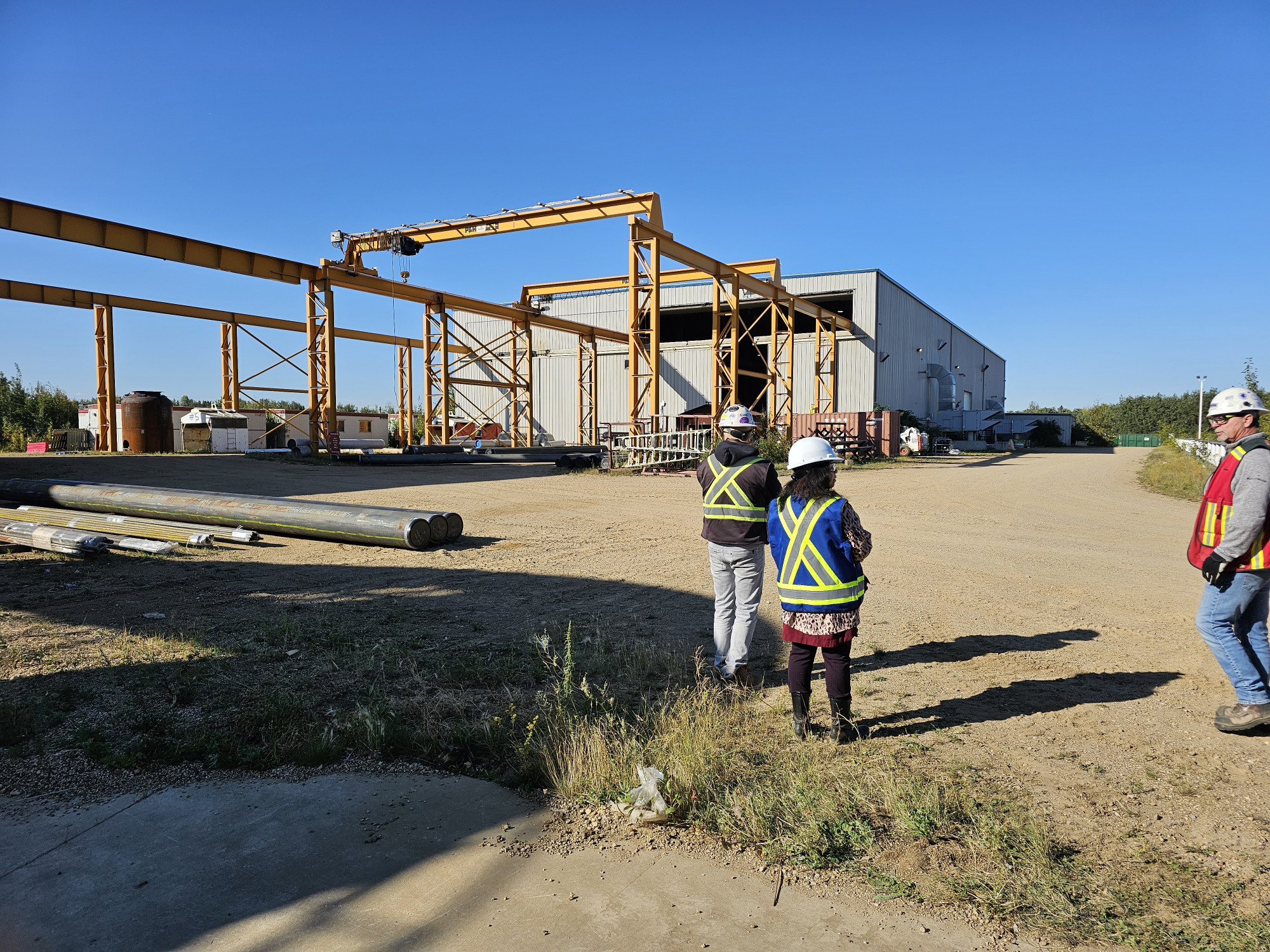
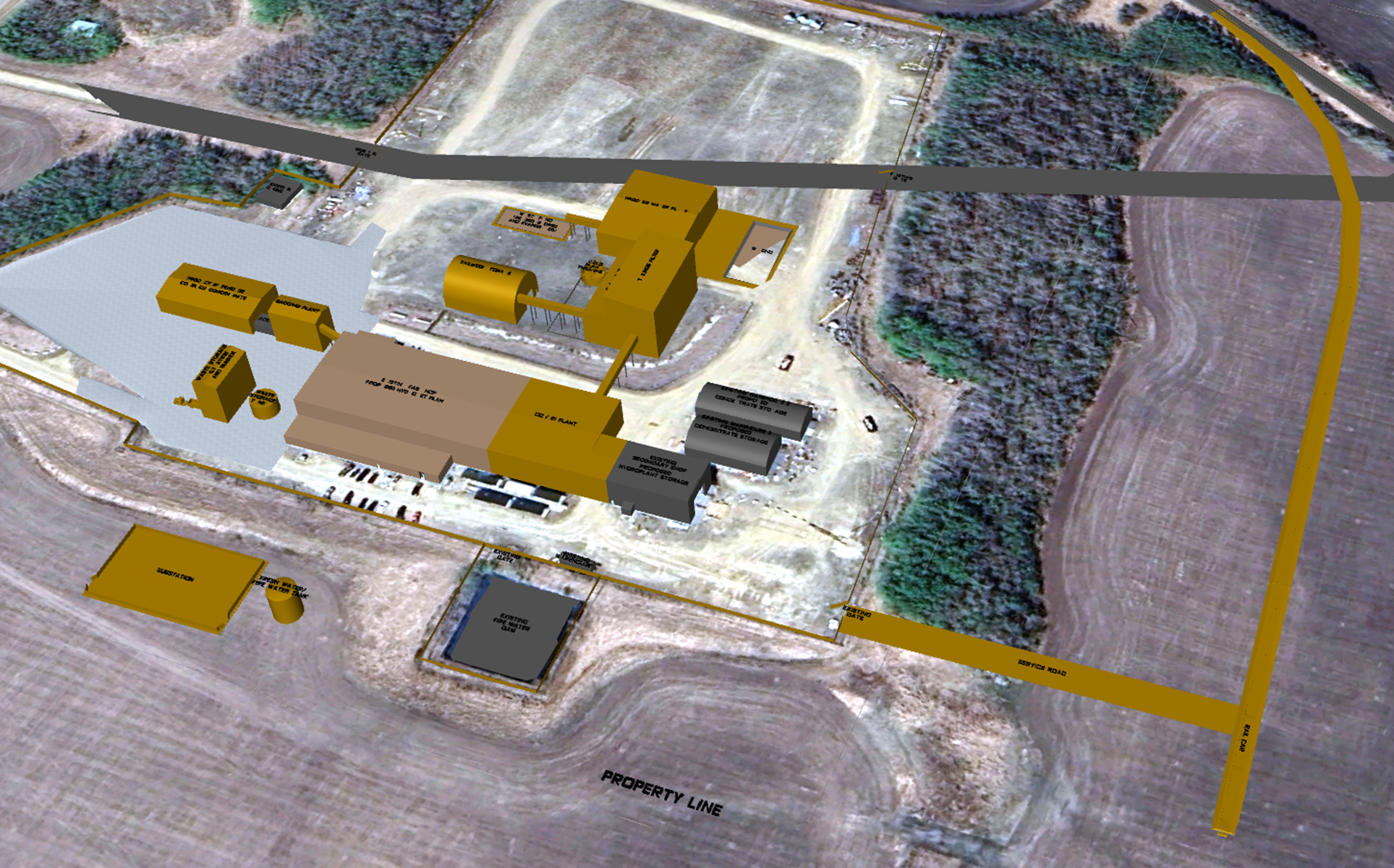
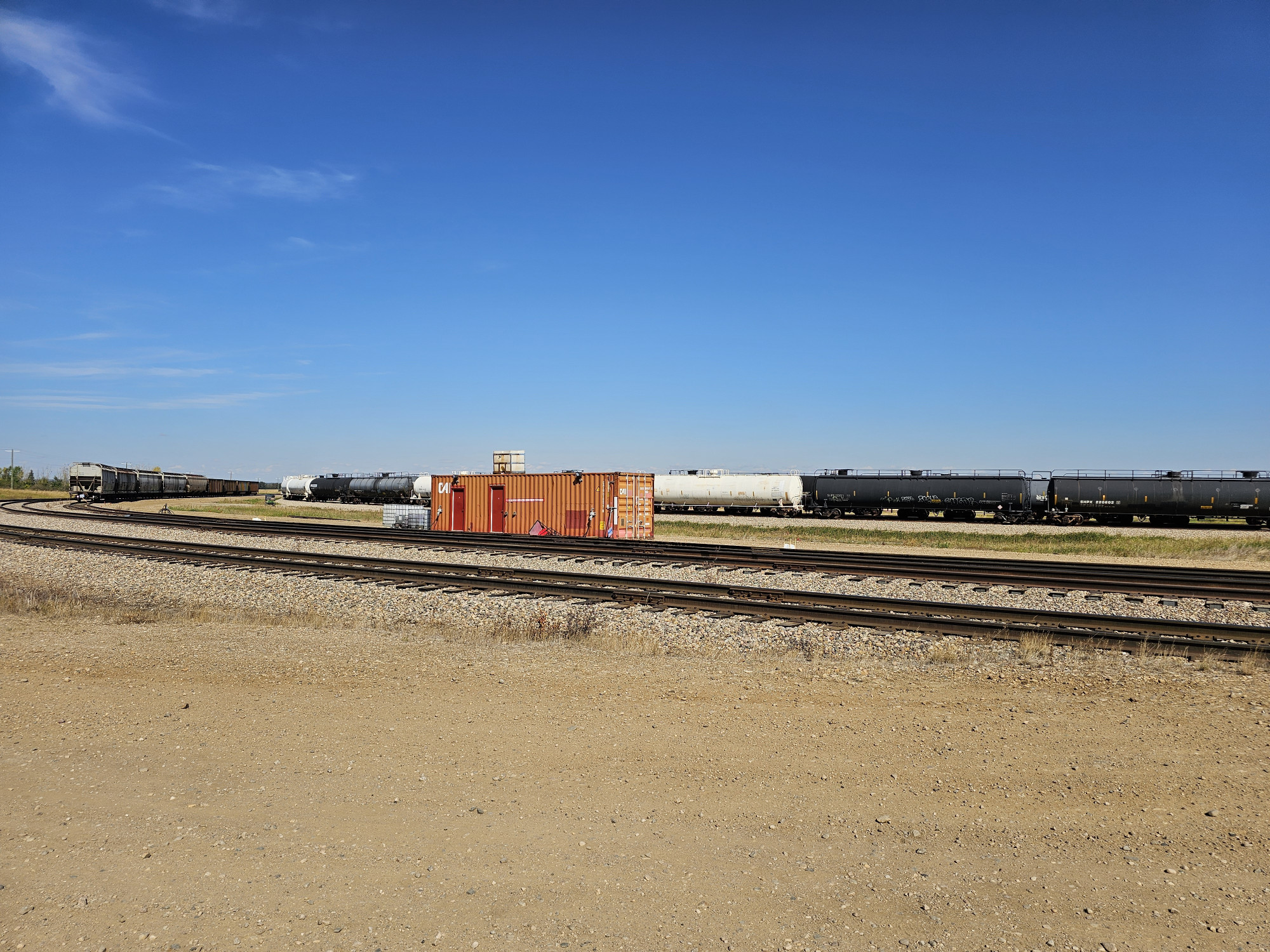
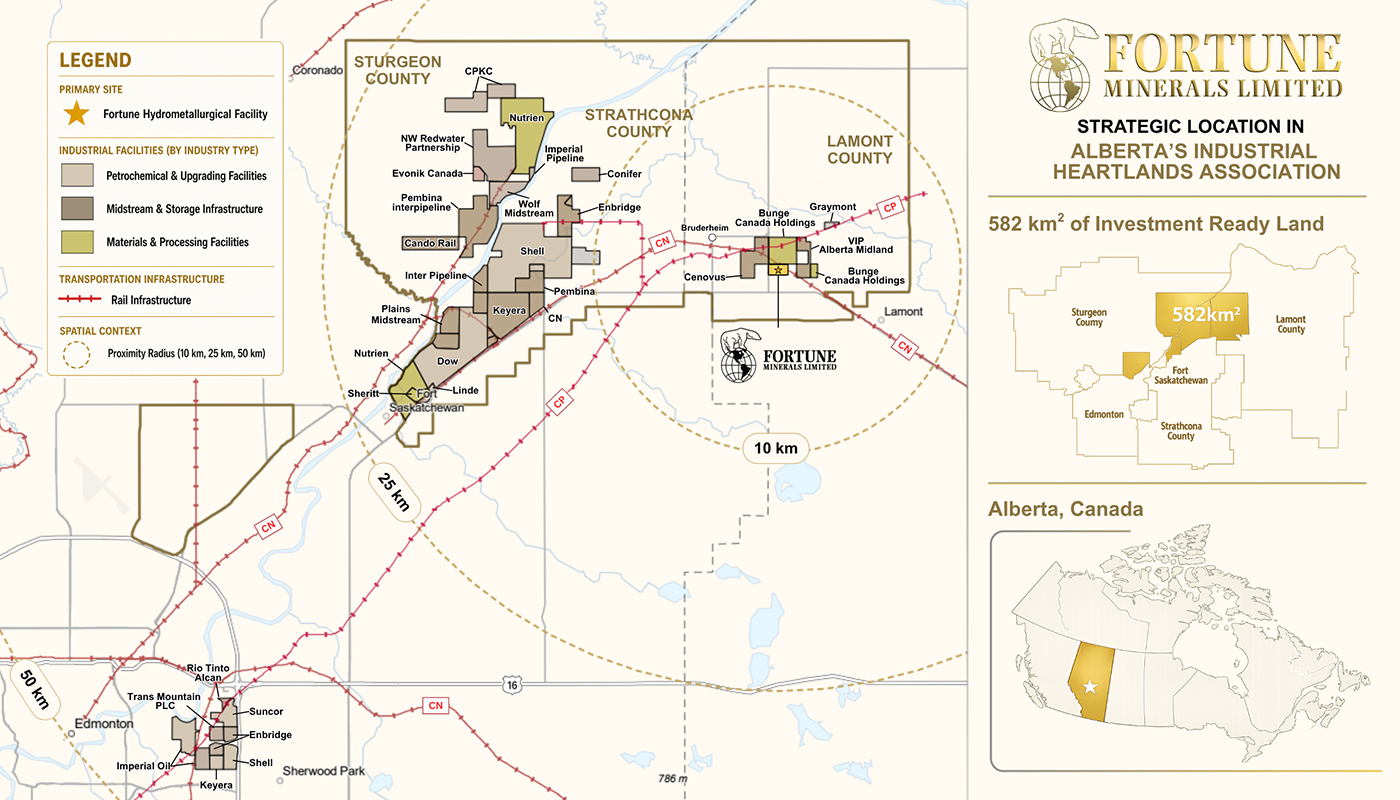
Fortune owns 76.78 acres (31.07 hectares) of lands adjacent to the Canadian National Railway in Lamont County, Alberta, about 30 km northeast of the City of Edmonton. The brownfield site is a former steel fabrication facility with more than 42,000 square feet of existing serviced buildings and facilities that will be expanded to construct the Company’s hydrometallurgical process refinery.
Lamont County is part of Alberta’s Industrial Heartland Association, a collaboration of municipalities on the outskirts of Edmonton with the planning approvals already in place for heavy industry and tax incentives keyed to capital investment. Alberta’s Industrial Heartland is the highest-performing industrial cluster in the world for the petro chemicals and energy sectors with $50B+ in capital investment and 40+ operating companies powering North American and global markets with fuels, chemicals, fertilizers, and critical minerals. With its location in an existing petrochemicals and critical minerals processing hub, the Alberta Refinery will have ready access to the human resources, services and reagents needed for hydrometallurgical processing, including power, natural gas, process and potable water, acids, oxygen, lime and other chemicals used in hydrometallurgical processing.
NICO Location Detail
Click to enlarge
NICO Geology and Mineral Reserves
The NICO IOCG deposit is situated in the south part of the Great Bear Magmatic Zone, a tectonic subdivision of the Proterozoic Bear structural province of the Canadian Shield. The deposit is situated at and below an angular unconformity between Treasure Island Group metasedimentary rocks and overlying felsic volcanics of the Faber Group. The NICO deposit is associated with the emplacement of syn-volcanic porphyry dykes and related granitic plutons and is cut by transverse faults that splay from the nearby Wopmay Fault – a major crustal suture.
NICO ores are hosted in three, 40–50-degree north dipping stratabound lenses of strongly altered ironstone breccias and microbreccias up to 1.3 km long, 550 metres wide, and with individual lenses up to 70 metres in true thickness. The recoverable metals are associated with the approximate 5% sulphide fraction consisting primarily of cobaltian arsenopyrite, cobaltite, bismuthinite, native bismuth, chalcopyrite, pyrite, pyrrhotite, and native gold.
The Open Pit and Underground Mineral Reserves for the NICO deposit are 33.1 million metric tonnes containing 1.1 million ounces of gold, 82.3 million pounds of cobalt, 102.1 million pounds of bismuth, and 27.2 million pounds of copper (see table below).
NICO Reserves:
| Underground Mineral Reserves | Tonnes (Thousands) |
Au (g/t) |
Co (%) |
Bi (%) |
Cu (%) |
|---|---|---|---|---|---|
| Proven | 282 | 4.93 | 0.14 | 0.27 | 0.03 |
| Probable | 295 | 5.00 | 0.07 | 0.07 | 0.01 |
| Total | 577 | 4.96 | 0.10 | 0.17 | 0.02 |
| Open Pit Mineral Reserves | Tonnes (Thousands) |
Au (g/t) |
Co (%) |
Bi (%) |
Cu (%) |
| Proven | 20,453 | 0.92 | 0.11 | 0.15 | 0.04 |
| Probable | 12,047 | 1.03 | 0.11 | 0.13 | 0.04 |
| Total | 32,500 | 0.96 | 0.11 | 0.14 | 0.04 |
| Combined Mineral Reserves | Tonnes (Thousands) |
Au (g/t) |
Co (%) |
Bi (%) |
Cu (%) |
| Proven | 20,735 | 0.97 | 0.11 | 0.15 | 0.04 |
| Probable | 12,342 | 1.13 | 0.11 | 0.13 | 0.04 |
| Total | 33,077 | 1.03 | 0.11 | 0.14 | 0.04 |
| Metal Contained | 1.11 Moz (34,214 Kg) |
82.3 Mlb (37.3 MKg) |
102.1 Mlb (46.3 MKg) |
27.2 Mlb (12.3 MKg) |
For more detailed information about the NICO Mineral Reserves and certain technical information in this presentation, please refer to the Technical Report on the NICO Project, entitled "Technical Report on the Feasibility Study for the NICO-Gold-Cobalt-Bismuth-Copper Project, Northwest Territories, Canada", dated April 2, 2014 and prepared by Micon International Limited which has been filed on SEDAR+ and is available under the Company's profile at www.sedarplus.ca.The Qualified Persons responsible for the Micon Feasibility Study for the purposes of National Instrument 43-101 are: Chris Lattanzi, P.Eng., Richard Gowans, P.Eng. Harry Burgess, P.Eng. and Terrence Hennessey, P.Geo.
Mining
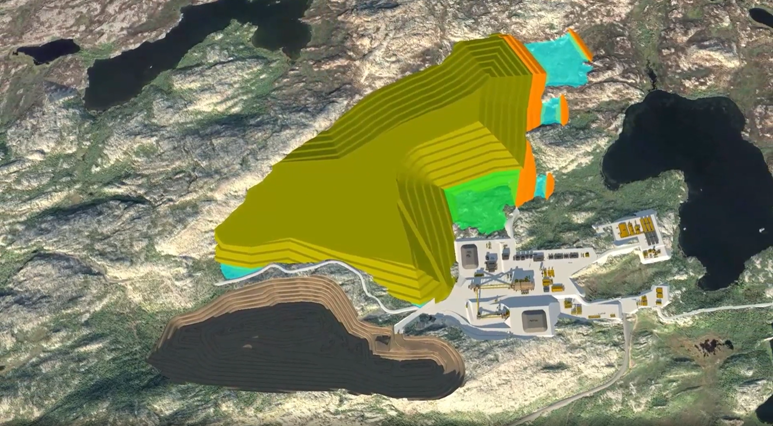
The NICO deposit will be mined primarily by open pit methods, using conventional truck and shovel equipment operating on 10-metre-high benches, double staked to 20 metres. There is a low waste to ore strip ratio. A subset of the Mineral Reserves will be mined by underground open stoping methods early in the mine life to accelerate cash flows by processing higher margin ores accessed from the existing decline ramp and underground development work established from earlier bulk sampling and pilot tests. The Company will also employ a stockpiling strategy to defer processing lower margin ores until later in the mine life when the capital costs for the development have been repaid.
Mineral Processing and Refining
Northwest Territories
The NICO ores will be processed in a mill and concentrator constructed at the mine site with a throughput rate of 4,650 metric tonnes of ore per day. The mill will employ a primary jaw crusher, followed by secondary cone crushing, then high-pressure grinding rolls (HPGR) and vertical stir mills for ore comminution. Ground ore will be subjected to bulk flotation concentration with a low (~4%) mass pull that reduces the 4,650 tonnes of daily mill throughput to only ~180 metric tonnes of bulk concentrate per day containing the recoverable metals. The bulk concentrate will be filtered and bagged for truck and rail transportation to the Alberta Refinery for downstream processing. The significant reduction of the ore mass during flotation concentration is a significant economic attribute that reduces the amount of material that would need to be transported by truck and rail to Alberta and processed in the Company’s planned hydrometallurgical refinery.
NICO mine site fly-by
Alberta Refinery
At the Alberta Refinery, bulk concentrate will be re-pulped and re-ground in a vertical stir mill to liberate the fine bismuth particles from the other sulphide minerals and then subjected to secondary flotation to make separate cobalt and bismuth concentrates – both containing gold. The bismuth concentrate will be leached with a ferric chloride solvent, followed by cementation onto iron powder, and then smelted and refined to 99.99% bismuth ingots.
The bismuth leach residue containing most of the gold will be blended with the cobalt concentrate and then subjected to pressure oxidation (POX) in an autoclave to dissolve the contained cobalt and copper in sulphuric acid. At the back end of the autoclave copper is recovered from the leach solution liquor by sequential neutralization, redissolved, and then cemented onto iron powder to make an impure copper metal (cement) product for sale to a smelter. The cobalt-bearing leach solution is then subjected to manganese removal, followed by solvent extraction purification, and then evaporation and crystallization to make battery grade cobalt sulphate heptahydrate. The Company is also investigating a lower capital cost startup option of making a cobalt mixed hydroxide product (CoMHP).
By blending the bismuth leach residue with the cobalt concentrate prior to pressure oxidation, the recoverable gold is consolidated into one process stream. The residue from the autoclave is then leached using cyanide, followed by carbon elution, and then smelted to doré bars.
The NICO Mineral Reserves will support an ~20-year mine life with average annual production during the first 14 years of 1,800 metric tonnes of cobalt contained in 8,780 tonnes of cobalt sulphate heptahydrate, 47,000 troy ounces of gold, 1,700 metric tonnes of bismuth in metal ingots, and 500 tonnes of copper in a cement product. Fortune expects to augment this production by processing other feed sources at the Alberta Refinery. The Company has a process collaboration with Rio Tinto that contemplates processing bismuth and cobalt intermediates produced from Kennecott Smelter wastes in Utah at the Alberta Refinery. Fortune is also investigating processing other feed sources at the Alberta Refinery and diversifying the facility with recycling residues, scrap, electronics, and battery waste materials.
Indigenous Engagement and ESG
The NICO deposit is located in Tlicho Territory, a First Nation that has completed a Land Claim and Self Government agreement with the Canadian and Northwest Territories governments. Fortune has had a 30-year history of proactive community engagement with the Tlicho and North Slave Metis people and has a good record of employing Indigenous and northern workers and contracting services from local businesses. Fortune has also executed Cooperation and Access Agreements with the Tlicho Government, the latter which sets out the terms and conditions for construction and operation of the mine access spur road. Fortune is currently working with the Tlicho and federal government on a collaborative approach for financing and constructing this spur road. Both the federal and Tlicho governments approved the NICO Project environmental assessment. Fortune and the Tlicho Government are also advancing Participation Agreement negotiations.
Fortune has also executed a Socio-Economic Agreement with the Government of the Northwest Territories, which sets out Indigenous and northern employment targets, and identifies programs the Company will support during operations with respect to education, training and social benefits. Fortune provides regular updates of its progress to the Northwest Territories Government who also provided the Company with a loan to help complete the purchase of the brownfield Alberta refinery site.
The Alberta Refinery site is situated on Treaty 6 lands, and the Alexander First Nation is the closest community to the planned development. Fortune communicates regularly with the Alberta government, the Alberta Industrial Heartland Association and Lamont County to provide updates for the Alberta Refinery development.
NICO Photo Gallery